
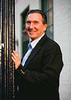
Adjunct Faculty, JAZZ PIANO, JAZZ COMBOS, Dewberry School of Music, CVPA
Wade Beach is widely respected for his harmonic sophistication and superb technique, which knows no stylistic limitations. He holds a master’s degree in piano performance from the University of Maryland.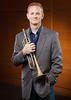
Adjunct Faculty, JAZZ TRUMPET, Braddock Road Brass Band, Dewberry School of Music, CVPA
Jazz Times magazine writes: “Breedlove has chops…and is the leader of a tight, forceful band”. AllAboutJazz.com has called Graham Breedlove “A trumpet player with an exquisite tone and provocative harmonic ideas…Breedlove exhibits great control and cranks out some head-turning melodic ideas”.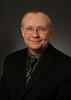
Professor of JAZZ STUDIES and Director of the Metropolitan Jazz Orchestra, Dewberry School of Music, CVPA
Professor Jim Carroll has a versatile background ranging from tours with Michael Jackson to Woody Herman and The Thundering Herd. Jim received both his Undergraduate and Graduate training from Indiana University under the tutelage of David Baker and Eugene Rousseau.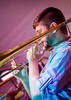
Adjunct Faculty, JAZZ TROMBONE, Dewberry School of Music, CVPA
Aaron Eckert, originally from Belleville, IL, is a trombonist with the U.S. Army Blues, the premier jazz ensemble of the Army.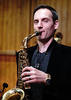
Assistant Professor of Jazz Studies, SAXOPHONE, Jazz Workshop, Jazz Studies, Jazz History, Dewberry School of Music, CVPA
Saxophonist, composer, and educator John Kocur is Assistant Professor of Jazz Studies at George Mason University. He previously taught at Northern Virginia Community College where he directed the NOVA Nighthawks Jazz Ensemble. He serves as a saxophonist with the 257th Army Band of the D.C. National Guard, “the Band of the Nation’s Capital.”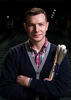
Adjunct Faculty, JAZZ PERCUSSION, Dewberry School of Music, CVPA
Kevin C. McDonald, Ph.D. is a passionate musicologist and an acclaimed jazz drummer. His performance credits include Dave Liebman, Mark Turner, Paquito D’Rivera, Miguel Zenon, Bob Mintzer, Randy Brecker, and Lee Konitz in international venues including Jazz at Lincoln Center, The Kennedy Center, The White House, The U.S. Library of Congress, The Midwest Clinic, the Jazz Education Network, and Bimhuis.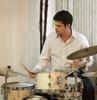
Director, Latin American Ensemble, Dewberry School of Music, CVPA
Juan Megna is a drummer/percussionist from Argentina who has lived for 12 years in Brazil where, in 2008, got his degree in Brazilian Popular Music at the State University of Campinas (UNICAMP, Campinas, SP).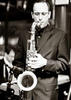
Adjunct Faculty, JAZZ SAXOPHONE, Dewberry School of Music, CVPA
Originally from Miami, Florida Xavier has performed in 13 countries and 48 states with a wide range of artists in the jazz and Latin music worlds. Xavier was the only U.S representative selected to perform in the final elimination round at an international saxophone competition where he placed 2nd place out of hundreds of applicants from more than 20 countries.
Adjunct Faculty, STEEL PAN, Steel Pan Ensemble, Improvisation I and II, Dewberry School of Music, CVPA
Victor Provost’s performances transcend the expectations of instrument and genre. With appearances at major venues throughout the world (including Shanghai Concert Hall, Lincoln Center’s Rose Theater, the Umbria Jazz Festival, and the Kennedy Center) he has been meticulously solidifying his reputation as a master of the Steel Pan and crafting an improvisational voice and style to be reckoned with.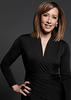
Director of JAZZ STUDIES, JAZZ VOICE, Dewberry School of Music, CVPA
Darden Purcell, jazz vocalist, is a featured soloist with symphony orchestras, big bands and small ensembles, as well as a band leader and vocal instructor. She has collaborated with many of the world’s top jazz artists, and is a former Washington, D.C. Air Force Band vocalist as part of the pop/rock group High Flight.